Why Exclusivity Works: The Psychology Behind Viral NFT Drops

Introduction
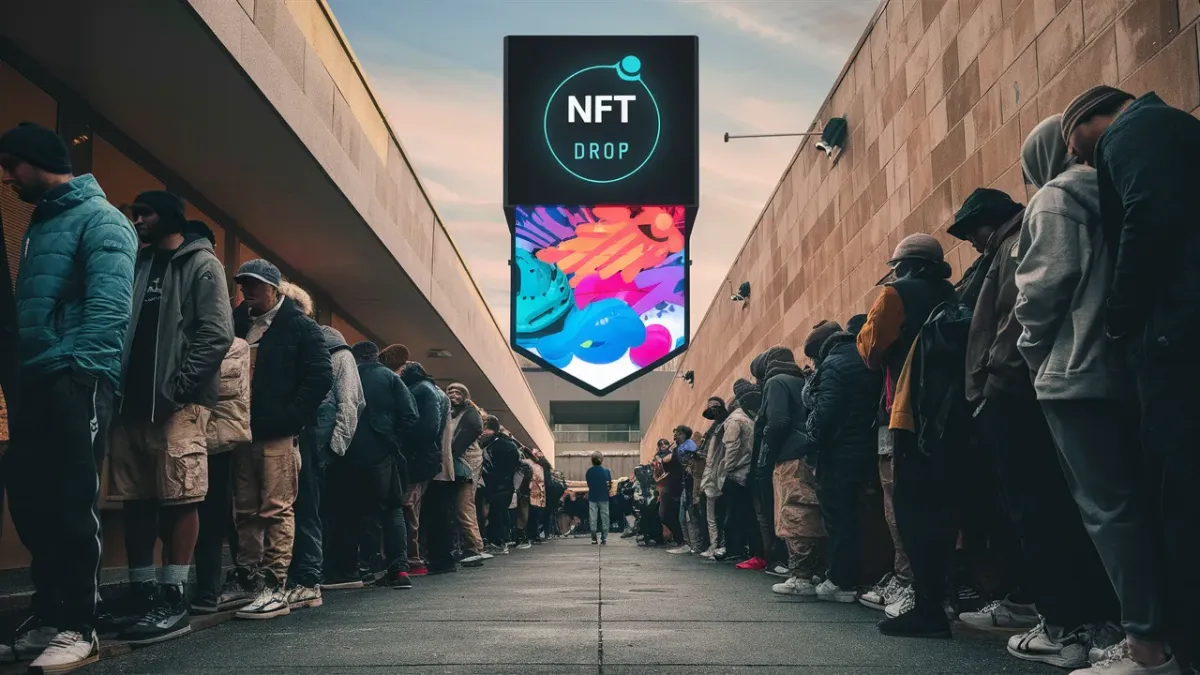
Why do people line up overnight for sneakers, scramble for limited concert tickets, or refresh their browsers like crazy during NFT drops?
The answer is simple: exclusivity creates value.
And in the world of Web3, that psychology isn’t just a side effect, it’s a growth engine.
In this blog, we’ll unpack why exclusivity drives viral adoption, how Uni-Fy taps into this timeless human instinct, and why scarcity-based campaigns like NFT drops do more than generate hype, they build lasting communities.
Web2 campaigns are overcrowded and forgettable

Think about online ads or referral programs. They’re available to everyone, all the time. With no limits, there’s no urgency. People scroll past, unmoved.
Exclusivity creates urgency. When Uni-Fy runs an NFT drop with limited supply, users know hesitation means missing out. This urgency drives instant action, which turns into buzz as people share their wins (or losses) online.
Scarcity in Web2 rarely benefits the community

Big brands manufacture scarcity, like limited sneakers, but most of the value is captured by middlemen and resellers, not the actual fans.
Uni-Fy’s exclusivity is on-chain and community-driven. Limited NFT drops directly reward early supporters, giving them multipliers, perks, and proof of belonging. Instead of middlemen profiting, value stays with the people who believe first.
Exclusivity without story feels hollow

Some projects launch “limited” tokens or NFTs, but with no meaning attached, they’re just digital trinkets.
Uni-Fy builds lore and narrative into its drops. Each NFT isn’t just a token, it’s a chapter in the story. Holders aren’t just lucky minters; they’re characters in the Uni-Fy journey. That story is what fuels organic, friend-to-friend growth.
Storytelling Example
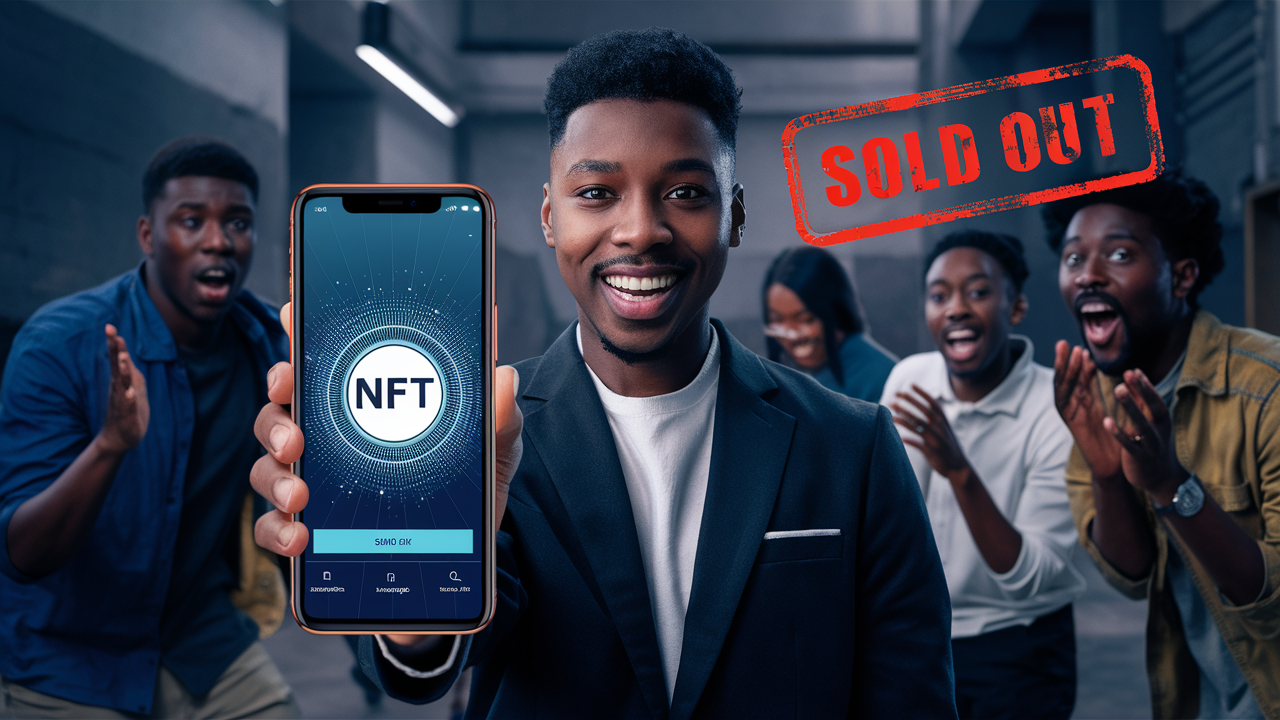
Take David, an affiliate marketer. He sees Uni-Fy announce a drop of 1,000 exclusive NFTs with built-in referral multipliers. He mints one, shares his excitement online, and shows off the unique art tied to his NFT.
Within days, his friends are asking how they can get one too, but it’s too late. The collection is sold out.
That scarcity creates FOMO. But more importantly, it creates a ripple effect: David becomes the “go-to” guy in his circle for all things Uni-Fy. The exclusivity not only gave him a multiplier, it gave him social capital.
The Bigger Picture

Exclusivity isn’t new. It’s wired into human psychology. From VIP clubs to limited-edition products, people value what’s rare. Web3 just makes it programmable.
NFT drops amplify exclusivity with transparency, you can see how many exist, who owns them, and how fast they’re disappearing. That openness doesn’t weaken the scarcity, it makes it stronger.
For Uni-Fy, exclusivity isn’t about keeping people out. It’s about bringing the right people in, those early adopters who will carry the story forward.
Conclusion

Exclusivity works because it transforms participation into identity. Owning a rare NFT isn’t just about benefits; it’s about status, belonging, and story.
With Uni-Fy, every exclusive campaign is a chance to reward believers, fuel viral growth, and make adoption feel like an adventure.
👉 The next time you see an exclusive Uni-Fy drop, don’t hesitate. Because in Web3, being part of something rare isn’t just about collecting, it’s about becoming part of the narrative itself.