The Unadvertised Empire: How Some E-commerce Brands Grow Without Ads

Introduction
At some point, every founder is told the same thing:
“If you want to grow, you’ll need ads” and at first, it works. Traffic comes in. Sales spike. Dopamine hits. Then costs rise. Returns shrink.
And suddenly growth only happens when the credit card is on fire.
I’ve watched brands hit this wall repeatedly. Not because their products were bad, but because their growth was rented, not owned.
Ads don’t build businesses.
They accelerate whatever system you already have.
If that system is weak, ads just help you discover it faster.
Why Ad-Dependent Growth Is Fragile by Designp

Paid traffic is linear.
You spend → you get attention.
You stop spending → attention disappears.
That means:
No compounding
No memory
No distribution outside the platform you’re paying
The moment your CAC rises or the algorithm shifts, growth stalls. Not slows, stalls. This is why brands doing “well” on paper still feel stuck. Everything depends on constant input. There’s no engine underneath the store.
Organic Growth Isn’t Free It’s Structural
Growing without ads isn’t about being clever on social media or “hoping content goes viral.”
It’s about building systems that turn customers into distribution.
That starts with one uncomfortable truth:
If your product doesn’t give people a reason to talk, share, or return, no strategy will save you.
Organic growth only works when participation is rewarded, not just purchases.
The Shift Most Brands Never Make
Most e-commerce setups are built for transactions.
Buy → checkout → email receipt → silence.
That’s a dead end. Brands that grow organically design for continuity.
Customers stay connected after purchase. Participation is visible and rewarded
Sharing isn’t awkward, it’s native. This is how growth compounds quietly.
Not through ads. Through people.
Community Isn’t a Channel It’s Infrastructure

A community isn’t a Discord link slapped on a footer.
It’s a feedback loop:
Customers see each other
Contributions are recognized
Loyalty has utility, not just sentiment
When people feel involved, they promote without being asked. Not because they’re “fans,” but because the system gives them a reason.
That’s when word-of-mouth becomes predictable instead of accidental.
Content That Actually Pulls Its Weight
Organic content isn’t about volume. It’s about alignment.
When content:
answers real buying questions
documents real decisions
reflects real experience
…it attracts the right traffic automatically.
SEO, email, social, these aren’t growth hacks. They’re distribution rails for trust.
And trust compounds far better than clicks.
Where Most Brands Break the System
Even brands doing “organic” growth still break it by fragmenting everything:
content in one tool, affiliates in another, customers in another, rewards handled manually
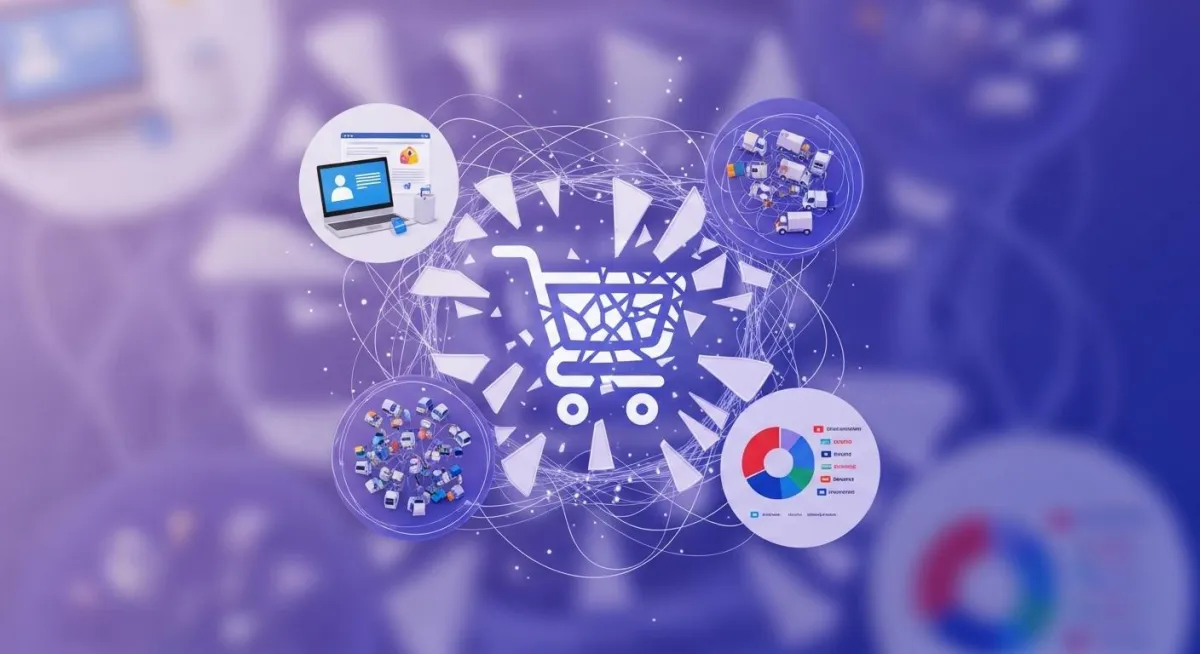
Nothing talks to anything else. So momentum leaks.
This is the real reason organic growth feels “slow” to most brands. Not because it doesn’t work, but because their infrastructure can’t support it.
Why Uni-fy Exists

Uni-fy isn’t an ad alternative. It’s a growth architecture.
It connects:
products
customers
affiliates
rewards
participation
…into one system where growth doesn’t reset every month. Customers don’t just buy, they earn.
Affiliates don’t just promote, they compound. Brands don’t chase traffic, they activate networks.
That’s how organic growth stops being a hope and becomes a mechanism.
Conclusion

If your growth disappears when ad spend stops, you don’t have traction, you have exposure.
Unadvertised empires aren’t built by accident. They’re built by systems that let people participate in growth.
That’s the shift.
And that’s what Uni-fy is built for.
Explore how Uni-fy turns customers into a compounding growth engine → here