Influencer Marketing in Affiliate Programs: Leveraging Authenticity for Conversions
Influencer Marketing in Affiliate Programs: Leveraging Authenticity for Conversions
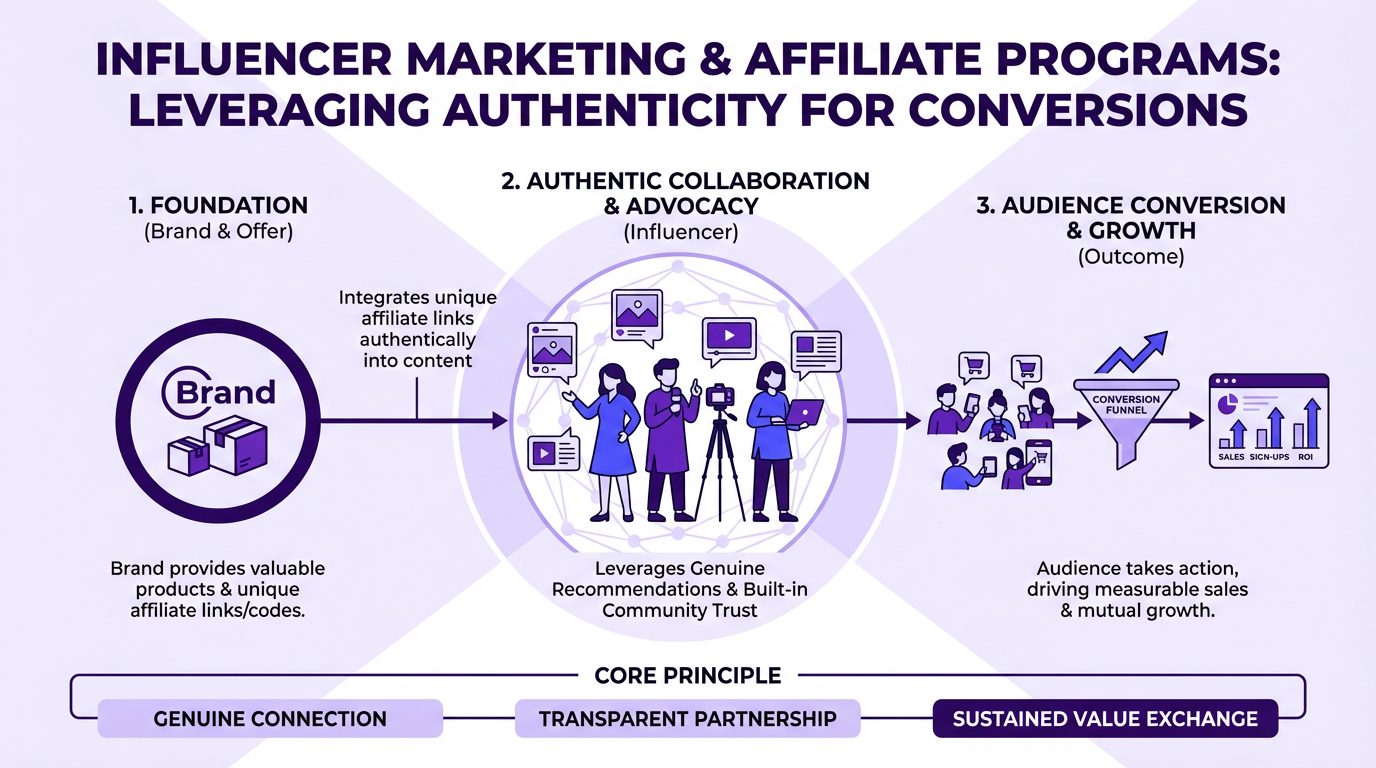
In an era where traditional advertising faces increasing skepticism, influencer marketing has emerged as a powerful conduit for reaching engaged audiences. When integrated with affiliate programs, it creates a symbiotic relationship that leverages authenticity and trust to drive conversions. This synergy is rapidly becoming one of the most impactful Affiliate Marketing Trends, offering brands and affiliates a dynamic way to connect with consumers through trusted voices. Influencers, with their dedicated followers, can introduce products and services in a more organic and relatable manner than conventional advertising, making their recommendations highly persuasive.This article explores the strategic integration of influencer marketing within affiliate frameworks, detailing how to identify the right influencers, structure effective campaigns, and measure success. We'll delve into the nuances of building genuine partnerships that translate into tangible results for both the influencer and the affiliate program.
Key Influencer Marketing Affiliate Statistics • 80% of marketers find influencer marketing effective, with 89% saying its ROI is comparable to or better than other marketing channels. • The global influencer marketing market size is projected to reach $24.1 billion by 2025, up from $13.8 billion in 2021. • 49% of consumers rely on influencer recommendations when making purchasing decisions. • Brands typically earn $5.20 for every $1 spent on influencer marketing, highlighting its strong ROI potential.
The Power of Authenticity: Why Influencers Drive Affiliate Sales
At its core, influencer marketing thrives on authenticity and the trust built between an influencer and their audience. Unlike traditional ads, which are often perceived as intrusive, influencer recommendations feel more like advice from a friend. This inherent trust significantly lowers the barrier to purchase, making affiliate links shared by influencers highly effective.Building Trust Through Niche Authority
Influencers often specialize in specific niches, whether it's beauty, tech, gaming, or sustainable living. This specialization positions them as authoritative figures within their communities. When they recommend a product or service relevant to their niche, their audience perceives it as a credible endorsement, not just a paid promotion. This deep connection is vital for successful Affiliate Marketing Strategies.| Influencer Type | Best For | Audience Size | Engagement Level |
|---|---|---|---|
| Nano-Influencers | Hyper-niche products, strong community trust | <10k | Very High |
| Micro-Influencers | Niche products, strong engagement, cost-effective | 10k-100k | High |
| Macro-Influencers | Broader reach, brand awareness, established authority | 100k-1M | Medium |
| Celebrity Influencers | Mass market, brand visibility, high cost | >1M | Medium/Low |
Structuring Successful Influencer Affiliate Campaigns
Creating an effective influencer affiliate campaign requires more than just sending out products and expecting results. It involves careful planning, clear communication, and a strategic approach to compensation and tracking. The goal is to foster genuine partnerships that benefit all parties.6-Step Influencer Affiliate Campaign Framework
Measuring ROI and Optimizing Performance
Accurately measuring the return on investment (ROI) of influencer affiliate campaigns is crucial for demonstrating their value and optimizing future efforts. This goes beyond simple click-through rates and delves into conversion metrics and customer lifetime value.Advanced Attribution Models
While last-click attribution is common in affiliate marketing, influencer campaigns often benefit from more sophisticated models. Multi-touch attribution, which assigns credit to all touchpoints in the customer journey, can provide a more accurate picture of an influencer's impact, especially in driving initial awareness and consideration. Understanding these models is key to navigating complex Affiliate Marketing Analytics.Expert Insight: "Don't just look at the immediate sales from an influencer's link. Consider the halo effect: how many new followers did they bring to your brand's social channels? How much user-generated content did they inspire? Influencers often contribute significantly to brand building and long-term customer acquisition, which traditional last-click models often miss. Focus on the full funnel impact."
Challenges and Best Practices in Influencer Affiliate Marketing
Despite its potential, influencer affiliate marketing comes with its own set of challenges, including finding genuine influencers, managing relationships, and ensuring compliance with disclosure regulations. Adhering to best practices can mitigate these risks.Ensuring Disclosure and Transparency
Regulatory bodies worldwide mandate clear disclosure of sponsored content. Affiliates and influencers must clearly indicate when a post is part of a paid partnership or contains affiliate links. Transparency builds trust and protects both parties from legal repercussions and audience backlash. This is a critical aspect of ethical Affiliate Marketing Compliance.Diagram: Influencer Affiliate Partnership Cycle [Brand/Affiliate Program] → [Influencer Outreach & Agreement] → [Content Creation & Promotion with Affiliate Link] → [Audience Engagement & Conversions] → [Performance Tracking & Commission Payout] → [Relationship Nurturing & Future Campaigns]
The Future of Influencer Affiliate Marketing
As the digital landscape evolves, so too will the dynamics of influencer affiliate marketing. We can expect to see a greater emphasis on long-term brand ambassadorships, the rise of AI-powered influencer discovery tools, and increased integration with emerging platforms like the metaverse. The focus will remain on authentic connections and value-driven content.Micro-Communities and Niche Dominance
The trend towards micro- and nano-influencers will continue, as brands recognize the unparalleled engagement and trust these smaller, highly specialized communities offer. Dominating a niche through authentic influencer partnerships will become a cornerstone of successful affiliate strategies.Frequently Asked Questions
What is the difference between influencer marketing and influencer affiliate marketing?
Influencer marketing broadly involves collaborating with influencers to promote a brand. Influencer affiliate marketing specifically integrates affiliate links or codes into these promotions, where the influencer earns a commission on sales or leads generated through their unique tracking.How do I find the right influencers for my affiliate program?
To find the right influencers, look for those whose audience demographics align with your target market, have high engagement rates (not just follower count), produce authentic content, and whose values resonate with your brand. Tools and agencies can assist in this discovery.What are common compensation models for influencer affiliates?
Common models include commission per sale (CPS), flat fees for sponsored posts combined with a lower commission, or tiered commission structures based on performance. Some programs also offer free products or exclusive access in addition to monetary compensation.How important is disclosure in influencer affiliate marketing?
Disclosure is critically important. It builds trust with the audience, maintains transparency, and ensures compliance with regulatory guidelines (e.g., FTC in the US). Failure to disclose can lead to audience backlash, fines, and damage to brand reputation.Can influencer affiliate marketing work for B2B products?
Yes, influencer affiliate marketing can be effective for B2B products, particularly through thought leaders, industry experts, and niche professionals on platforms like LinkedIn or specialized forums. The focus shifts to expertise, industry insights, and problem-solving rather than direct consumer appeal.Key Takeaways
- Influencer marketing, when combined with affiliate programs, leverages authenticity and trust to drive higher conversions than traditional advertising.
- Niche authority and genuine connections between influencers and their audience are key drivers of affiliate sales.
- Successful campaigns require clear goals, careful influencer vetting, compelling offers, detailed creative briefs, and robust tracking mechanisms.
- Accurate ROI measurement often requires advanced attribution models that consider the full impact of an influencer beyond last-click conversions.
- Transparency and clear disclosure of sponsored content are paramount for maintaining trust and ensuring compliance with regulations.
- The future points towards long-term ambassadorships, AI-powered discovery, and a continued focus on micro-communities for deep engagement.