Tokenized E-commerce: The Future of Digital Retail Ownership & Value
Tokenized E-commerce: The Future of Digital Retail Ownership & Value
The landscape of digital commerce is undergoing a profound transformation, moving beyond traditional transactional models to embrace a new paradigm: tokenized e-commerce. This innovative approach leverages blockchain technology to represent ownership, value, and even access rights as digital tokens. Far from a fleeting trend, tokenized e-commerce is poised to redefine how businesses operate, how consumers interact with brands, and how value is created and exchanged in the digital economy.At its core, tokenized e-commerce integrates the principles of Web3 – decentralization, transparency, and user ownership – into the familiar world of online shopping. This isn't just about accepting cryptocurrency payments; it's about embedding digital assets, such as NFTs (Non-Fungible Tokens) and fungible tokens, directly into products, loyalty programs, supply chains, and even fractional ownership models. The implications are vast, offering unprecedented opportunities for enhanced customer engagement, novel revenue streams, and a more equitable distribution of value.
Key Tokenized E-commerce Statistics • The global blockchain market, a foundational technology for tokenization, is projected to reach over $163 billion by 2029, growing at a CAGR of 56.3% (Source: MarketsandMarkets). • NFT sales volume, a key component of tokenized digital goods, surpassed $25 billion in 2021, indicating significant consumer interest in digital ownership (Source: DappRadar). • Over 75% of consumers are interested in owning digital assets, including NFTs, as part of their online shopping experience (Source: Deloitte). • Brands leveraging blockchain for supply chain transparency have seen up to a 15% increase in consumer trust and brand loyalty (Source: IBM).
Understanding the Mechanics: How Tokenization Reshapes E-commerce
Tokenized e-commerce operates by digitizing various aspects of the retail experience into blockchain-based tokens. These tokens can represent a multitude of assets and rights, each with unique properties and applications. The underlying technology, typically a public or private blockchain, provides an immutable ledger that tracks ownership, verifies authenticity, and facilitates secure transactions without intermediaries.Types of Tokens in E-commerce
Core Principles and Benefits
- Verifiable Ownership and Authenticity: Blockchain's immutable ledger ensures that ownership of a tokenized asset is transparent and verifiable, combating counterfeiting and establishing trust.
- Enhanced Customer Loyalty: Token-based loyalty programs can offer more dynamic rewards, fractional ownership, and exclusive access, fostering deeper brand engagement.
- New Revenue Streams: Brands can monetize digital assets, create secondary markets for their products (both physical and digital), and offer token-gated experiences.
- Supply Chain Transparency: Tokens can track products from origin to consumer, providing verifiable data on ethical sourcing, manufacturing, and authenticity.
- Decentralized Governance: In some models, token holders can participate in decision-making processes, giving customers a voice in product development or brand direction.
Applications of Tokenized E-commerce: Beyond the Hype
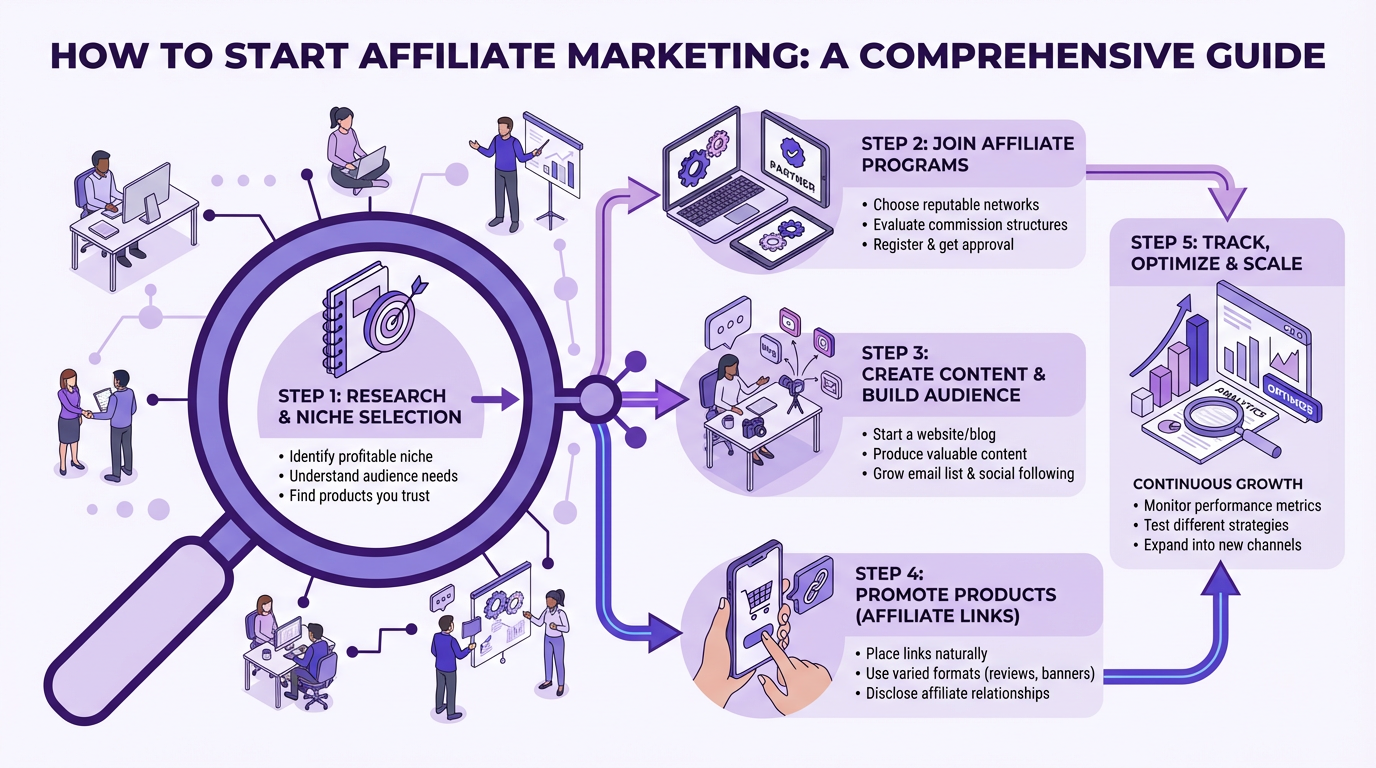
The practical applications of tokenized e-commerce extend far beyond simple digital collectibles. Forward-thinking businesses are integrating tokenization into various facets of their operations, creating innovative business models and enhancing customer value.4-Step Tokenized E-commerce Strategy Framework
Expert Insight: "Many brands jump into NFTs without a clear utility beyond speculative value. The real power of tokenized e-commerce lies in creating tangible, ongoing value for the customer – whether that's exclusive access, fractional ownership of a future product, or verifiable provenance that enhances trust. Without a strong utility, a token is just a digital collectible; with it, it's a powerful engagement tool."
Real-World Examples and Use Cases
- Luxury Goods Authentication: Brands like LVMH and Richemont are using blockchain to create digital certificates of authenticity for high-end products, combating counterfeiting and providing verifiable ownership history.
- Fashion & Apparel: Digital fashion NFTs that can be worn in metaverses, or physical garments embedded with NFC chips linked to NFTs, offering exclusive content or future discounts.
- Gaming & Entertainment: In-game assets as NFTs, allowing players true ownership and the ability to trade or sell their digital items on secondary markets.
- Loyalty Programs: Token-based loyalty systems where points are tradable, offer tiered access, or can be redeemed for unique experiences, moving beyond traditional points systems.
- Fractional Ownership: Tokenizing high-value assets like real estate, art, or even rare wines, allowing multiple individuals to own a share and participate in potential appreciation.
- Subscription & Access Management: Token-gated communities or content, where holding a specific NFT grants access to exclusive products, events, or premium features.
The Technical Infrastructure: Building a Tokenized Storefront
Implementing tokenized e-commerce requires a robust technical foundation that bridges traditional e-commerce platforms with blockchain technology. This involves several key components and considerations.Diagram: Tokenized E-commerce Ecosystem
[Customer Wallet] → [E-commerce Storefront (Web3 Integration)] → [Smart Contract (Minting/Transfer)] → [Blockchain Network] → [Decentralized Marketplace (Secondary Sales)] → [Customer Wallet]
Key Technological Components
- Blockchain Network: The foundational layer (e.g., Ethereum, Polygon, Solana, Avalanche) that provides the distributed ledger for token creation and transaction recording.
- Smart Contracts: Self-executing code deployed on the blockchain that automates the rules for token creation, transfer, and management (e.g., ERC-721 for NFTs, ERC-20 for fungible tokens).
- Web3 Wallets: Digital wallets (e.g., MetaMask, WalletConnect) that allow users to store, manage, and interact with their tokens and sign blockchain transactions.
- E-commerce Platform Integration: Adapting existing platforms (e.g., Shopify, custom builds) or utilizing specialized Web3 e-commerce solutions to display tokenized products, facilitate token payments, and manage token-gated access.
- Decentralized Marketplaces: Platforms (e.g., OpenSea, Rarible) where users can buy, sell, and trade NFTs and other tokens on secondary markets.
- Oracles: Services that connect real-world data (e.g., product availability, shipping status) to smart contracts on the blockchain, enabling hybrid physical-digital experiences.
Challenges and Considerations
While the potential is immense, businesses venturing into tokenized e-commerce must navigate several challenges:- Regulatory Uncertainty: The legal and tax implications of digital assets are still evolving in many jurisdictions.
- User Experience: Onboarding new users to Web3 wallets and blockchain concepts can be complex, requiring intuitive interfaces.
- Security Risks: Smart contract vulnerabilities, private key management, and phishing attacks pose significant security concerns.
- Scalability & Transaction Costs: Some blockchains can suffer from high transaction fees (gas fees) and slow processing times, impacting user experience.
- Environmental Concerns: The energy consumption of certain proof-of-work blockchains is a consideration, driving adoption towards more eco-friendly alternatives.
Comparing Tokenized E-commerce Approaches
Businesses have various pathways to integrate tokenization. The best approach depends on their specific goals, resources, and target audience.| Strategy | Best For | Difficulty | ROI Potential |
|---|---|---|---|
| NFT for Digital Collectibles | Brands with strong community, digital art, or gaming focus | Easy/Medium | Medium/High |
| NFT for Physical Product Authentication | Luxury goods, high-value items, combating counterfeits | Medium/Hard | High/Very High |
| Fungible Loyalty Tokens | Retailers seeking enhanced customer engagement & dynamic rewards | Medium | Medium/High |
| Token-Gated Access/Memberships | Content creators, exclusive communities, premium services | Medium | High |
| Fractional Ownership (Security Tokens) | High-value assets, real estate, investment opportunities | Hard | Very High |
The Future Outlook: A Paradigm Shift in Retail
Tokenized e-commerce is not merely an incremental improvement; it represents a fundamental shift in how value is created, owned, and exchanged in the digital realm. As blockchain technology matures and user interfaces become more intuitive, we can expect widespread adoption across various industries.The future will likely see a blurring of lines between physical and digital assets, with every product potentially having a digital twin (NFT) that verifies its authenticity, tracks its history, and unlocks exclusive experiences. Loyalty programs will evolve into dynamic, tradable assets, and communities will form around token ownership, granting members a voice and a stake in the brands they support.
For businesses, embracing tokenized e-commerce means moving from a purely transactional relationship with customers to one built on shared ownership, verifiable trust, and mutual value creation. Those who adapt early will be positioned to capture significant market share and build resilient, engaged communities in the decentralized future of retail.