Unlocking Innovation: The Power of Open-Source Dcommerce Platforms
Unlocking Innovation: The Power of Open-Source Dcommerce Platforms
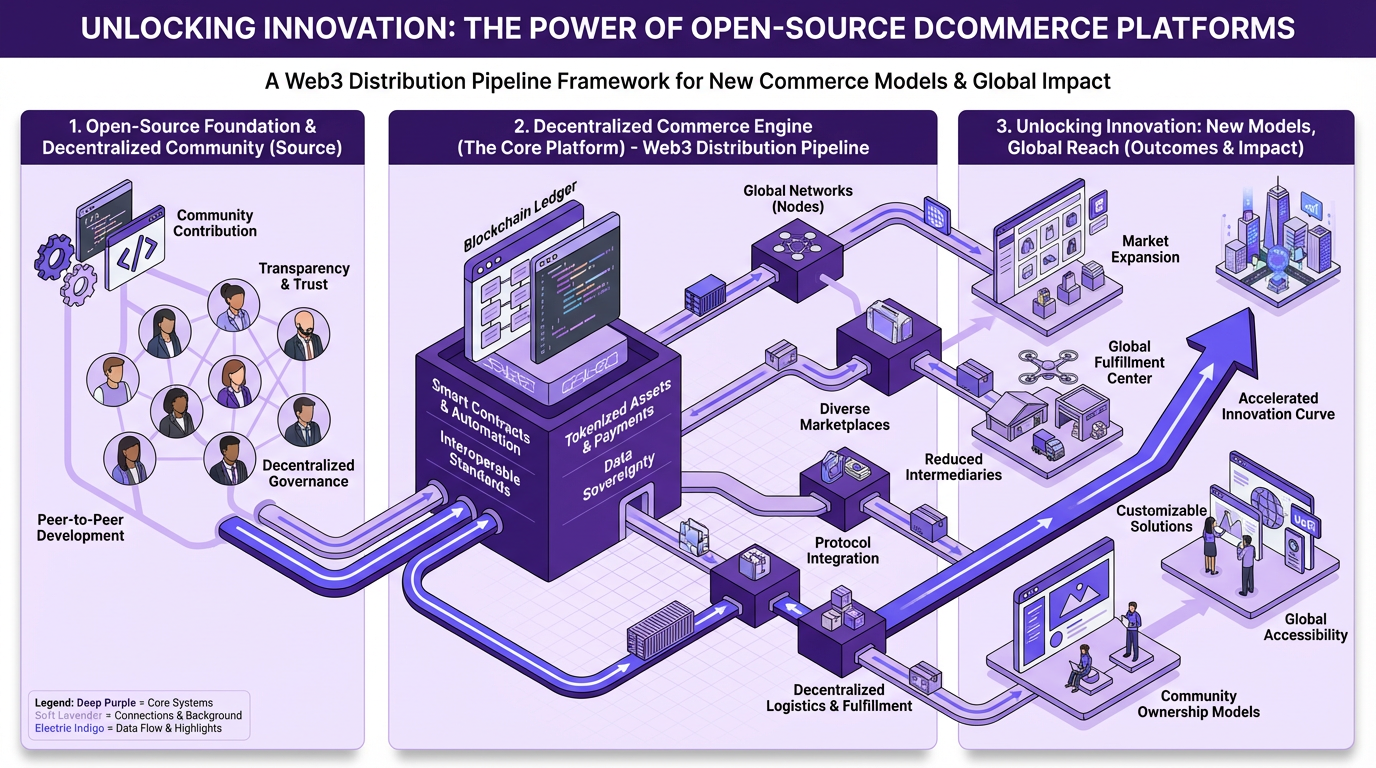
Open-source Dcommerce platforms represent a paradigm shift in how digital marketplaces are built and operated. Unlike traditional proprietary e-commerce solutions, these platforms leverage decentralized technologies and community-driven development to offer unparalleled transparency, flexibility, and censorship resistance. For businesses and entrepreneurs looking to establish a presence in the evolving digital economy, understanding the nuances of open-source Dcommerce is crucial. These platforms are not just about code; they embody a philosophy of shared ownership and collaborative innovation, directly contributing to the broader ecosystem of Decentralized Commerce Platforms.The appeal of open-source Dcommerce lies in its ability to empower users and developers alike. By making their source code publicly accessible, these platforms foster a vibrant community that can inspect, modify, and improve the software, leading to more robust, secure, and adaptable solutions. This collaborative model accelerates innovation, allowing for rapid iteration and the integration of cutting-edge features that might be slower to emerge in closed-source environments. The inherent transparency also builds trust, a critical component for any commerce platform, especially when dealing with blockchain-based transactions and digital assets.
Key Open-Source Dcommerce Statistics • Over 70% of all software in use today contains open-source components, indicating widespread adoption and trust across industries. • Projects built on open-source blockchain protocols have seen a 150% increase in developer activity over the past three years, signaling rapid growth in decentralized applications. • Companies utilizing open-source solutions report an average of 30% lower operational costs compared to those relying solely on proprietary software. • The global market for open-source services is projected to reach $50 billion by 2026, underscoring the economic impact and potential of this model.
The Core Principles of Open-Source Dcommerce
At its heart, open-source Dcommerce is built upon principles that challenge the centralized control prevalent in traditional e-commerce. These platforms prioritize decentralization, ensuring that no single entity has absolute power over the marketplace. This is achieved through distributed ledger technologies, smart contracts, and community governance models. The transparency of open-source code means that every line can be scrutinized for vulnerabilities or malicious intent, fostering a higher degree of security and accountability than closed systems.Furthermore, the modular nature of many open-source Dcommerce solutions allows for extensive customization. Businesses are not locked into a rigid framework; instead, they can tailor their storefronts, payment gateways, and backend processes to meet specific needs. This flexibility is a significant advantage for niche markets or innovative business models that might not fit neatly into off-the-shelf proprietary solutions. The community aspect also means a wealth of shared knowledge and resources, making it easier for new entrants to build and deploy their decentralized stores.
Architectural Advantages of Open-Source Dcommerce
The architecture of open-source Dcommerce platforms often leverages blockchain technology to ensure immutability and transparency of transactions. Smart contracts automate agreements between buyers and sellers, reducing the need for intermediaries and minimizing transaction costs. This foundational shift not only enhances security but also enables novel features like automated escrow services and dispute resolution mechanisms that are transparent and auditable by all participants.| Feature | Best For | Difficulty | ROI Potential |
|---|---|---|---|
| Community-driven Development | Rapid feature iteration, bug fixes | Medium | High |
| Transparent Codebase | Security audits, trust building | Low | Medium |
| Customizable Modules | Niche markets, unique business models | Medium | Very High |
| Decentralized Governance | Censorship resistance, user empowerment | Hard | High |
Building Blocks for Dcommerce Marketplace Development
Developing a Dcommerce marketplace using open-source tools involves selecting the right foundational technologies and understanding the ecosystem. Key components typically include a blockchain protocol (e.g., Ethereum, Polygon, Solana), smart contract frameworks, and decentralized storage solutions. The choice of blockchain can significantly impact transaction speeds, costs, and scalability, making it a critical decision for any developer. For those embarking on Dcommerce marketplace development, open-source frameworks provide a robust starting point, often with extensive documentation and community support.These platforms often integrate with NFT marketplace platforms to facilitate the trading of unique digital assets, expanding the scope of what can be bought and sold in a decentralized environment. The interoperability inherent in many open-source designs also allows for seamless integration with other Web3 services, creating a more interconnected and functional commerce ecosystem. This modularity is a cornerstone of effective decentralized design.
5-Step Open-Source Dcommerce Launch Framework
The Role of Community and Governance
One of the most distinguishing features of open-source Dcommerce platforms is their reliance on community participation and decentralized governance. Unlike traditional companies where decisions are made by a board of directors, many Dcommerce projects are moving towards models where token holders or active community members have a say in the platform's future. This often takes the form of Community-governed commerce platforms, where proposals are voted on, and development priorities are set collectively.This democratic approach ensures that the platform evolves in a way that benefits its users and stakeholders, rather than just a select few. It also fosters a strong sense of ownership and loyalty among the community, which is vital for long-term sustainability and growth. The transparent nature of open-source code, combined with decentralized governance, creates a powerful feedback loop that drives continuous improvement and adaptation to market needs.
Expert Insight: "The true strength of open-source Dcommerce isn't just in the free code; it's in the collective intelligence and shared responsibility it cultivates. A well-governed open-source project can out-innovate any proprietary solution because it taps into a global pool of talent and diverse perspectives. However, effective governance requires clear communication channels and robust dispute resolution mechanisms to prevent fragmentation and ensure cohesive progress."
Fostering a Vibrant Open-Source Ecosystem
To thrive, open-source Dcommerce platforms must actively cultivate a vibrant ecosystem. This involves providing clear documentation for developers, offering bounties for bug fixes and feature development, and creating accessible pathways for new contributors. Educational resources and developer tools are also crucial for lowering the barrier to entry and encouraging broader participation. The more developers and users contribute, the more resilient and feature-rich the platform becomes, attracting even more participants to the broader landscape of Web3 commerce platforms.Diagram: Open-Source Dcommerce Ecosystem Flow [Core Protocol Development] → [Community Contributions & Audits] → [Feature Integration & Testing] → [User Adoption & Feedback] → [Governance Proposals & Voting] → [Core Protocol Development]
Challenges and Future Outlook
While the advantages of open-source Dcommerce are compelling, challenges remain. Scalability, user experience, and regulatory uncertainty are significant hurdles that developers must address. Ensuring that decentralized platforms can handle high transaction volumes without compromising speed or cost is an ongoing area of research and development. Simplifying the user interface and onboarding process is also critical for mass adoption, as many potential users are still unfamiliar with blockchain technologies.Despite these challenges, the future of open-source Dcommerce appears bright. As blockchain technology matures and becomes more accessible, we can expect to see an explosion of innovative applications and business models. The collaborative nature of open-source development, combined with the inherent benefits of decentralization, positions these platforms to become a dominant force in the next generation of digital commerce. The ongoing evolution of cross-chain Dcommerce solutions will further enhance the reach and capabilities of these open ecosystems.
Frequently Asked Questions
What makes open-source Dcommerce platforms different from traditional e-commerce?
Open-source Dcommerce platforms differ by making their source code publicly available, fostering community-driven development, and leveraging decentralized technologies like blockchain for transparency and censorship resistance, unlike proprietary, centrally controlled e-commerce systems.Are open-source Dcommerce platforms more secure?
Generally, yes. The public nature of open-source code allows for continuous review and auditing by a global community of developers, which can lead to faster identification and resolution of vulnerabilities compared to closed-source systems.How do open-source Dcommerce platforms handle governance?
Many open-source Dcommerce platforms implement decentralized governance models, often through token-based voting, where community members or token holders can propose and vote on changes, upgrades, and strategic decisions for the platform.What are the main benefits for businesses using open-source Dcommerce?
Businesses benefit from lower operational costs, greater flexibility and customization options, enhanced transparency and trust, and access to a vibrant community for support and innovation, all without vendor lock-in.What are some examples of open-source Dcommerce components?
Examples include blockchain protocols like Ethereum or Polygon, decentralized storage solutions like IPFS, smart contract frameworks, and various community-developed modules for specific marketplace functionalities.Key Takeaways
- Open-source Dcommerce platforms offer transparency, flexibility, and community-driven innovation, contrasting sharply with traditional e-commerce.
- Their architecture leverages blockchain and smart contracts for enhanced security, immutability, and automated transactions.
- Community governance models empower users and foster a strong sense of ownership, driving continuous improvement.
- Challenges include scalability and user experience, but ongoing advancements promise a robust future for decentralized commerce.
- Adopting open-source Dcommerce can lead to lower costs, greater customization, and a more resilient business model in the Web3 era.