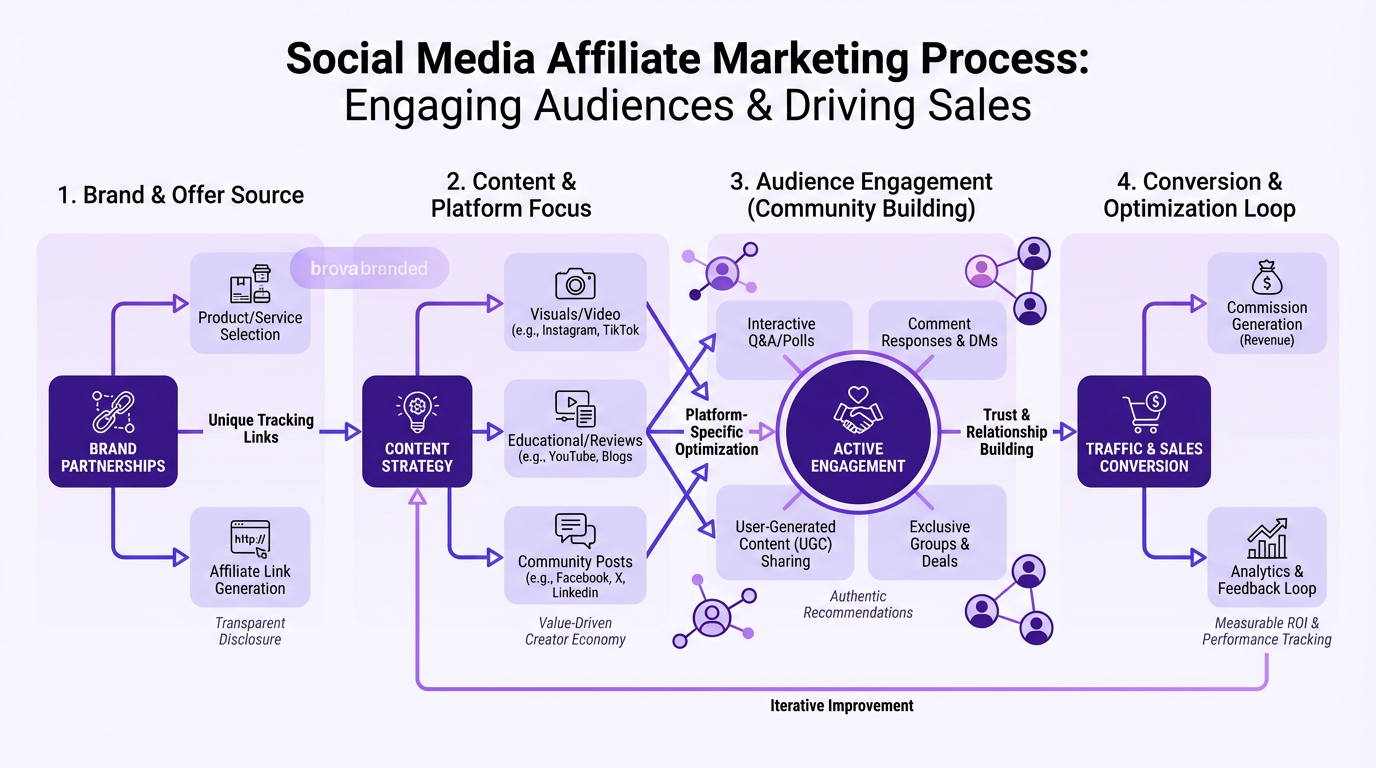
Social Media Affiliate Marketing: Engaging Audiences & Driving Sales
Social Media Affiliate Marketing: Engaging Audiences & Driving Sales
In today's hyper-connected digital world, social media platforms have evolved far beyond simple communication tools; they are powerful marketplaces and community hubs. For affiliate marketers, social media affiliate marketing represents a dynamic avenue to connect with target audiences, build trust, and drive conversions. Integrating social media effectively into your overall Affiliate Marketing Strategies can significantly amplify your reach and impact, turning casual followers into loyal customers.This approach leverages the inherent virality and direct engagement capabilities of platforms like Instagram, TikTok, Facebook, and Pinterest to promote affiliate products and services. Unlike traditional advertising, social media affiliate marketing thrives on authenticity and relationship-building, making it a highly effective channel when executed thoughtfully. It's about providing value, entertaining, and subtly guiding your audience towards solutions they genuinely need.
Key Social Media Marketing Statistics • 4.95 billion people use social media globally, representing 61.4% of the world's population (DataReportal). • 71% of consumers who have had a positive experience with a brand on social media are likely to recommend it to others (Sprout Social). • Social commerce sales are projected to reach $79.6 billion in the US by 2025 (Statista). • 54% of social browsers use social media to research products (GlobalWebIndex).
Choosing the Right Platforms for Your Niche
The vast landscape of social media platforms means that not every channel will be equally effective for every affiliate marketer. The key to successful social media affiliate marketing lies in identifying where your target audience spends their time and tailoring your content strategy accordingly. A deep understanding of your niche, a core component of effective Niche selection for affiliate marketing, will guide this decision.Popular Social Media Platforms for Affiliates
Each platform has its unique strengths and audience demographics. Matching your content style and product type to the platform's native environment is crucial for engagement and conversion.| Platform | Best For | Content Type | ROI Potential |
|---|---|---|---|
| Visual products, fashion, beauty, lifestyle, travel | Photos, Reels, Stories, Live | High | |
| TikTok | Short-form video, entertainment, trends, younger demographic | Short videos, challenges, tutorials | Very High |
| Broad audience, community building, groups, local businesses | Posts, videos, Live, Groups, Marketplace | Medium/High | |
| Product discovery, DIY, home decor, recipes, visual inspiration | Pins, Idea Pins, Product Pins | High | |
| YouTube | In-depth reviews, tutorials, unboxings, educational content | Long-form video, Shorts, Live | Very High |
Crafting Engaging Content for Social Media
Simply posting affiliate links directly on social media is often ineffective and can even lead to platform penalties. The essence of social media affiliate marketing is to create valuable, engaging content that naturally integrates your promotions. This means focusing on education, entertainment, and problem-solving, rather than overt sales pitches.5-Step Social Media Content Framework for Affiliates
Leveraging Influencer and Community Strategies
Social media is inherently about influence and community. For affiliate marketers, this means opportunities to collaborate with micro-influencers or to build and nurture your own dedicated community. Influencer affiliate marketing can be a powerful accelerator, leveraging an established audience's trust.Expert Insight: "Many affiliates make the mistake of chasing follower counts over genuine engagement. On social media, a smaller, highly engaged audience that trusts your recommendations is far more valuable than a massive, disengaged following. Focus on building authentic connections; these are the people who will actually click your links and convert. It's about quality of connection, not just quantity of reach."
Building an Engaged Social Media Community
Creating a thriving community around your niche can significantly boost your affiliate efforts. This involves consistent interaction, providing exclusive content, and fostering a sense of belonging. Facebook Groups, Discord servers, or even dedicated Instagram accounts can serve this purpose.Diagram: Social Media Affiliate Conversion Funnel Discovery (Reels, Hashtags) → Engagement (Comments, Shares) → Trust (Value-driven Content) → Consideration (Product Demos, Reviews) → Conversion (Link in Bio, DM) → Advocacy (User-Generated Content)
Disclosure and Compliance in Social Media Affiliate Marketing
Transparency is paramount in social media affiliate marketing. It's not just good practice; it's often a legal requirement. Always clearly disclose your affiliate relationship to your audience. This builds trust and ensures compliance with regulations like the FTC guidelines. Understanding Legal compliance in affiliate marketing is crucial for long-term success and avoiding penalties.Furthermore, consider how social media integrates with other elements of your Affiliate Marketing Strategies. For example, social media can drive traffic to your website where you have more control over the user journey, or it can be used to promote special offers that are also being highlighted in your Paid advertising for affiliate offers. The synergy between these channels creates a more robust and effective overall strategy.
Frequently Asked Questions
Do I need a large following to succeed with social media affiliate marketing?
No, a large following is not strictly necessary. Micro-influencers with highly engaged, niche audiences often achieve higher conversion rates than mega-influencers with broad, less engaged followings. Focus on quality engagement over quantity of followers.What are the best practices for disclosing affiliate links on social media?
Always use clear and conspicuous disclosures like #ad, #sponsored, or #affiliatelink at the beginning of your posts or stories. Be transparent with your audience about your relationship with the brands you promote.Can I use social media for mobile affiliate marketing strategies?
Absolutely. Social media is inherently mobile-first, making it an ideal channel for Mobile affiliate marketing strategies. Optimize your content and landing pages for mobile users to ensure a seamless experience and higher conversion rates.Key Takeaways
- Social media offers a powerful channel for engaging audiences and driving affiliate sales.
- Platform selection should align with your target audience and content style.
- Focus on creating valuable, engaging content that subtly integrates affiliate promotions.
- Building community and leveraging influencer strategies can amplify your reach.
- Transparency and clear disclosure of affiliate relationships are essential for trust and compliance.